Zksoftware Keyexe New Apr 2026
Zksoftware Keyexe New Apr 2026
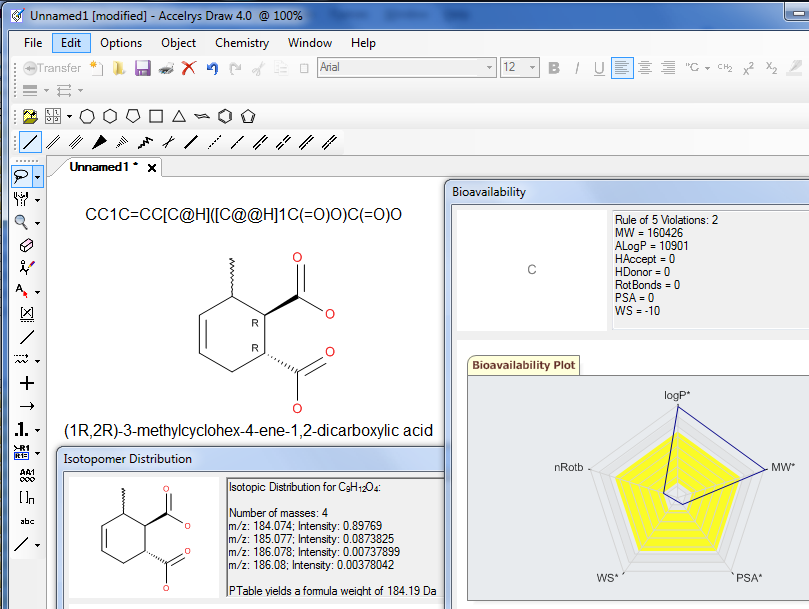 |
With the
same look-and-feel as ISIS/Draw, Accelrys Draw delivers speed and
efficiency to your chemical drawing experience.
Accelrys Draw can easily swap out existing ISIS/Draw or ChemDraw applications. |
|
Zksoftware Keyexe New Apr 2026Click here for more details about Rgroups, an example, and a detailed procedure how to draw a Markush query. To draw a Markush query:
|
|
|
| Generic Structure
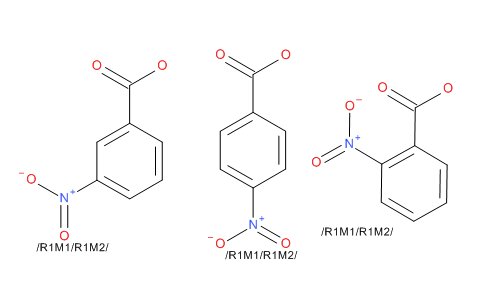
Enumerator The enumerator works against structures defined using the Rgroup tool in Accelrys Draw. In this mode you specify a scaffold with a number of Rgroup labels, then to add fragments to the Rgroup identifiers. The Add-in will calculate the complete set of structures that the Rgroups define. You can also define a generic region using the Sgroup tool. Draw the basic structure and using the Sgroup tool, drag a pair of brackets around a region that is repeated in the substance. From the dropdown select ‘generic’ for the bracket type, then select apply and exit from the dialog. Right click on one of the brackets and select the Attach Data option. In the dialog enter REPEATRANGE into the Field description box, and then enter the range in the Data box; leave the Search Operator set to none; the Tag field is optional. A contiguous range is required in the Data box, for example 3-6. A structure can contain both Rgroup definitions and Sgroup definitions, but they cannot overlap or be nested. You have the option to enumerate on to Accelrys Draw’s canvas, into an SDfile, or into an Isentris for Excel compatible spreadsheet. |
 |
|
Zksoftware Keyexe New Apr 2026zksoftware keyexe new is a cutting-edge software development tool that leverages ZKPs to enable secure and private software execution. By utilizing ZKPs, zksoftware keyexe new allows developers to prove the validity of their software without revealing any sensitive information about its inner workings. In the rapidly evolving world of software development, security and privacy have become top priorities. Traditional security measures often rely on revealing sensitive information, which can lead to vulnerabilities and exploitation. However, zksoftware keyexe new is changing the game by harnessing the power of zero-knowledge proofs (ZKPs) to create a more secure and private software development ecosystem. zksoftware keyexe new zksoftware keyexe new represents a significant breakthrough in software development, offering a more secure and private approach to software creation and execution. By harnessing the power of ZKPs, developers can create software that is both secure and trustworthy, without revealing sensitive information. As the software development landscape continues to evolve, tools like zksoftware keyexe new are poised to play a critical role in shaping the future of secure software development. zksoftware keyexe new is a cutting-edge software development |
http://accelrys.com/products/informatics/cheminformatics/draw/add-ins.html | |
Chemical Drawing Programs – The Comparison of Accelrys (Accelrys) Draw, ChemDraw, DrawIt, ACD/ChemSketch and Chemistry 4-D DrawUniversity of Debrecen, POB 70, H-4010 Debrecen, Hungary, e-mail: Last major update : 1.11.2011 If you have any comment, do not hesitate to contact the author at the above adress. |
http://dragon.klte.hu/~gundat/rajzprogramok/dprog.html |