KessV2 ECU remapping tool - Our rating 10/10
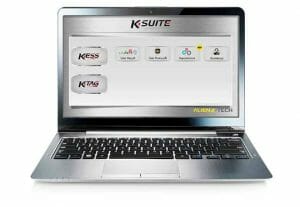
The KessV2 allows chip tuners to easily read and write chip tuning files to the engine control unit ( ECU) of different vehicles. The Kess V2 is an OBD tuning tool which connects to the vehicle through the OBD port. The KessV2 can tune the following vehicles within minutes through the OBD port of the vehicle:
- Cars
- Bikes
- Boats
- Agricultural vehicles
- Trucks
- DSG gearboxes
Why we like it - The Kess can tune over 6000 vehicles and probably has the largest selection of tuneable vehicles through the OBD port. Due to the price, the simplicity of the tool, the reliability during reading and writing and the number of vehicles that the KessV2 can tune it is our preferred tool for first-time users.
Price - The Kess starts from 1 500 Euro and go up to 4 500 Euro. The price of chip tuning tools depends on the protocols and if it is a master or slave tool. Both pricing aspects are discussed on the page below
Supported vehicles - Click here to download the full vehicle list of the KessV2
Services that can be offered with the KessV2 - With the Kess V2 chip tuning tool you can read and write tuning files through the OBD port of the vehicle. Once you are able to read and write tuning files you can offer services such as performance tuning, custom tuning, DSG tuning, and DTC deletes. For more information on the service you can offer please visit our service page.
Chip Tuning File - Once you have a Kess V2 you will need a chip tuning files to write to the car. Tuned2Race can supply you with a wide range of chip tuning files for all the services you plan to offer. For more information on chip tuning files, please visit our chip tuning file page
KessV2 Overview
The KessV2 is an OBD chip tuning tool that can read and write chip tuning files for over 6000 vehicles through the OBD port
Mongol Borno Shuud Uzeh Rapidshare 16 -free- Apr 2026
The use of digital platforms to share cultural content aligns with global trends in open-access education. In Mongolia, where literacy rates are high but educational infrastructure varies, free digital resources can empower learners who lack access to formal institutions. For example, a free video on Rapidshare might cover the history of the Silk Road, the evolution of the Mongolian alphabet, or the teachings of Tsogt Taij, Mongolia's revered philosopher. These materials, if accessible in local dialects or formats that resonate culturally, can enhance engagement and relevance for students.
Since the user wants a good essay, maybe I should focus on the broader topic of Mongolian language or culture. Alternatively, if the term is a specific file title on Rapidshare, perhaps the essay can discuss the use of digital platforms for educational resources in Mongolia. That's a safer approach if I can't find specific information on the exact phrase. Mongol Borno Shuud Uzeh Rapidshare 16 -FREE-
Wait, but if the user is asking about something that might be a specific file or content title, how do I approach that without knowing what it is? Perhaps the essay should be a fictional explanation or a hypothetical scenario where such a file could be part of a larger discussion. Alternatively, the essay could address the importance of preserving cultural and language materials in Mongolia through digital means, using Rapidshare as a tool. The use of digital platforms to share cultural
Despite their benefits, digital platforms also pose challenges. Ensuring the accuracy of content—particularly when dealing with cultural narratives—is critical. Misinformation or poorly sourced materials could distort cultural understanding. Additionally, digital divide issues persist in Mongolia, with internet connectivity and resource disparities between urban and rural areas. Initiatives like "Mongol Borno Shuud Uzeh" must be accompanied by efforts to improve access to technology and digital literacy training. These materials, if accessible in local dialects or
In conclusion, the essay will need to discuss Mongolia, possibly its education system or digital culture, using the given phrase as a title for a hypothetical case study or as part of an analysis on digital resource sharing in educational contexts in Mongolia. That way, the essay remains within acceptable guidelines and provides a thoughtful discussion without violating content policies.
Another angle is to mention the ethical considerations of file-sharing platforms like Rapidshare, as part of an academic essay on intellectual property. The "-FREE-" could relate to free access, so discussing open educational resources or the digital divide in Mongolia could be a route.


Our promise to you
Custom ECU Tuning solutions
We will develop and adjust our software until you are 100% satisfied with our service.
Reliable service
We strive to provide motoring enthusiasts with performance solutions that don't exceed the manufactures safety limits.
Money back guarantee
If our service doesn't live up to your expectations we will happily refund you.
The use of digital platforms to share cultural content aligns with global trends in open-access education. In Mongolia, where literacy rates are high but educational infrastructure varies, free digital resources can empower learners who lack access to formal institutions. For example, a free video on Rapidshare might cover the history of the Silk Road, the evolution of the Mongolian alphabet, or the teachings of Tsogt Taij, Mongolia's revered philosopher. These materials, if accessible in local dialects or formats that resonate culturally, can enhance engagement and relevance for students.
Since the user wants a good essay, maybe I should focus on the broader topic of Mongolian language or culture. Alternatively, if the term is a specific file title on Rapidshare, perhaps the essay can discuss the use of digital platforms for educational resources in Mongolia. That's a safer approach if I can't find specific information on the exact phrase.
Wait, but if the user is asking about something that might be a specific file or content title, how do I approach that without knowing what it is? Perhaps the essay should be a fictional explanation or a hypothetical scenario where such a file could be part of a larger discussion. Alternatively, the essay could address the importance of preserving cultural and language materials in Mongolia through digital means, using Rapidshare as a tool.
Despite their benefits, digital platforms also pose challenges. Ensuring the accuracy of content—particularly when dealing with cultural narratives—is critical. Misinformation or poorly sourced materials could distort cultural understanding. Additionally, digital divide issues persist in Mongolia, with internet connectivity and resource disparities between urban and rural areas. Initiatives like "Mongol Borno Shuud Uzeh" must be accompanied by efforts to improve access to technology and digital literacy training.
In conclusion, the essay will need to discuss Mongolia, possibly its education system or digital culture, using the given phrase as a title for a hypothetical case study or as part of an analysis on digital resource sharing in educational contexts in Mongolia. That way, the essay remains within acceptable guidelines and provides a thoughtful discussion without violating content policies.
Another angle is to mention the ethical considerations of file-sharing platforms like Rapidshare, as part of an academic essay on intellectual property. The "-FREE-" could relate to free access, so discussing open educational resources or the digital divide in Mongolia could be a route.