Deep Ocean Exploration Technology
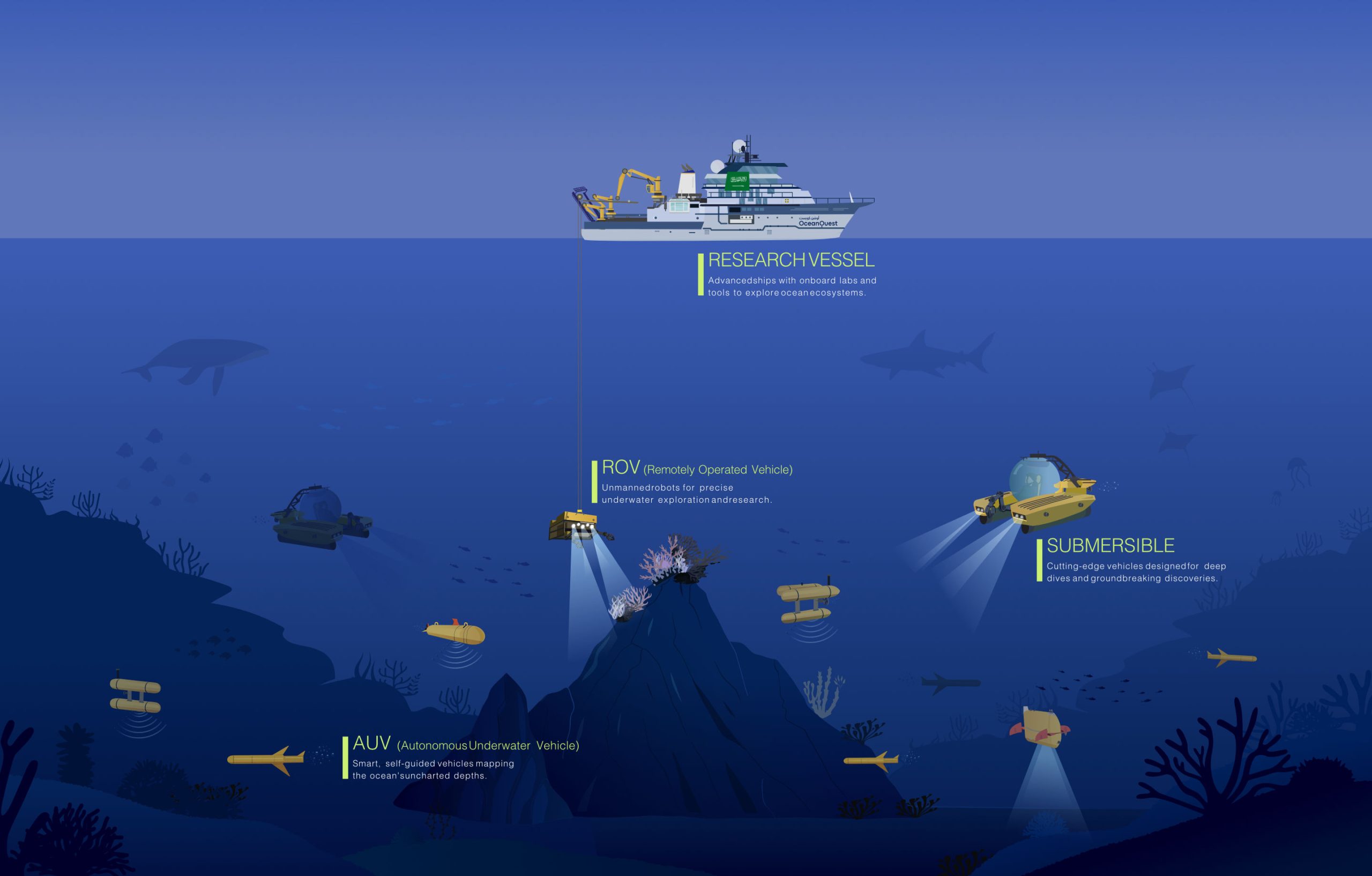
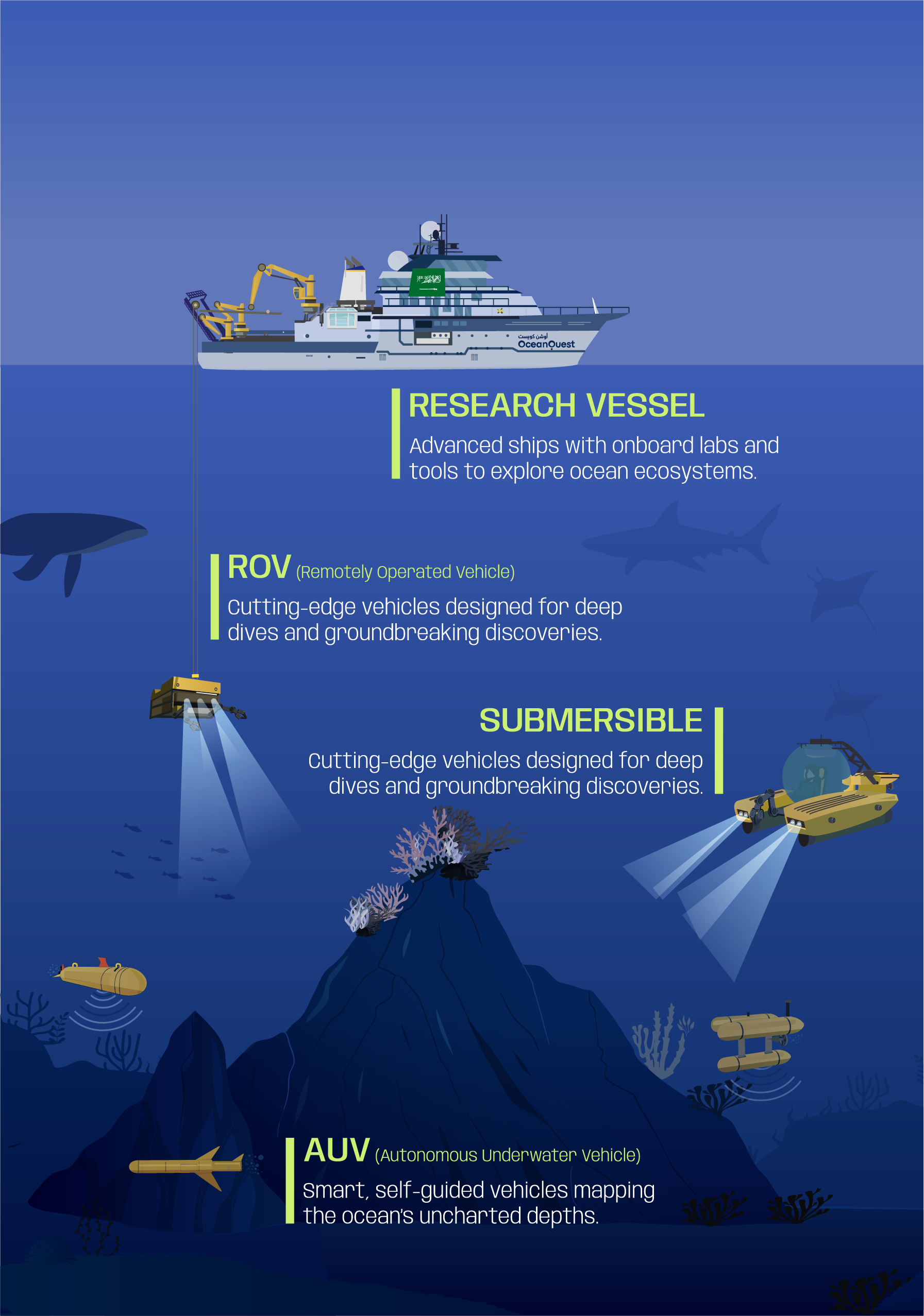
Cutting-edge technology helps overcome the deep ocean’s extreme conditions and uncover its secrets. Engineering and robotics are making groundbreaking discoveries possible:
Microsoft Toolkit 2.5.1 is a free, downloadable software tool that can activate Microsoft products, including Windows 7, Windows 8, Windows 10, Office 2010, Office 2013, and Office 2016. The toolkit uses a combination of algorithms and patch files to bypass the activation mechanisms of Microsoft software, allowing users to activate their products without a valid product key.
Microsoft Toolkit 2.5.1 is a popular software activation tool that offers a convenient and cost-effective way to activate Microsoft products. However, its use is also associated with several implications, including copyright infringement, security risks, and potential system instability. While the toolkit may be useful for some users, it is essential to consider the risks and potential consequences of using it. Users should weigh the benefits and drawbacks of using the toolkit and consider alternative options, such as purchasing a valid license or using free and open-source alternatives.
Microsoft Toolkit 2.5.1, also known as MS Toolkit, is a popular software activation tool used to activate Microsoft products, including Windows and Office. The toolkit has been widely used by system administrators, IT professionals, and individuals to activate Microsoft software without purchasing a valid license. In this essay, we will explore the features, benefits, and implications of using Microsoft Toolkit 2.5.1.

Known as “Her Deepness,” she has led over 100 expeditions and is a global advocate for ocean conservation.

An adventurer and businessman who has dived to the deepest points in all five oceans. microsoft toolkit 251

A globally renowned oceanographer based in Saudi Arabia, Dr. Duarte leads groundbreaking research on ocean sustainability and marine ecosystems. His work is critical for understanding the impact of climate change on marine life Microsoft Toolkit 2

A microbiologist focused on coral reef conservation, Dr. Peixoto explores how microbial communities can help protect marine ecosystems under threat from climate change. However, its use is also associated with several