✨ Welcome to our new update!
Mallu Pramila Sex Movie Apr 2026
Secure, scalable, and game-changing authentication for your applications. Get started in minutes with our powerful APIs and SDKs.
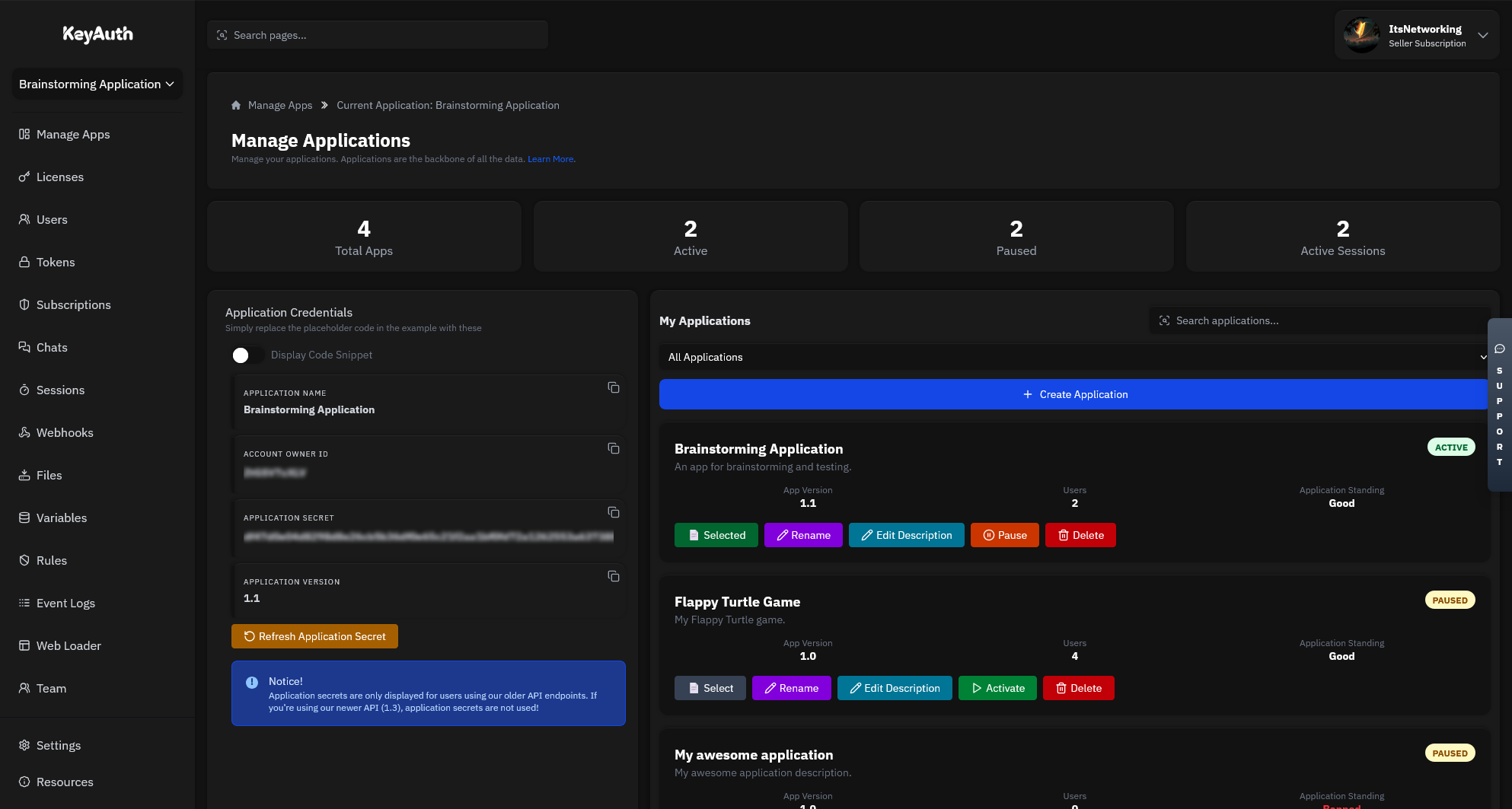
Secure, scalable, and game-changing authentication for your applications. Get started in minutes with our powerful APIs and SDKs.
Integrate into any programming language

A comprehensive suite of integrated tools for authentication, monetization, and user engagement.
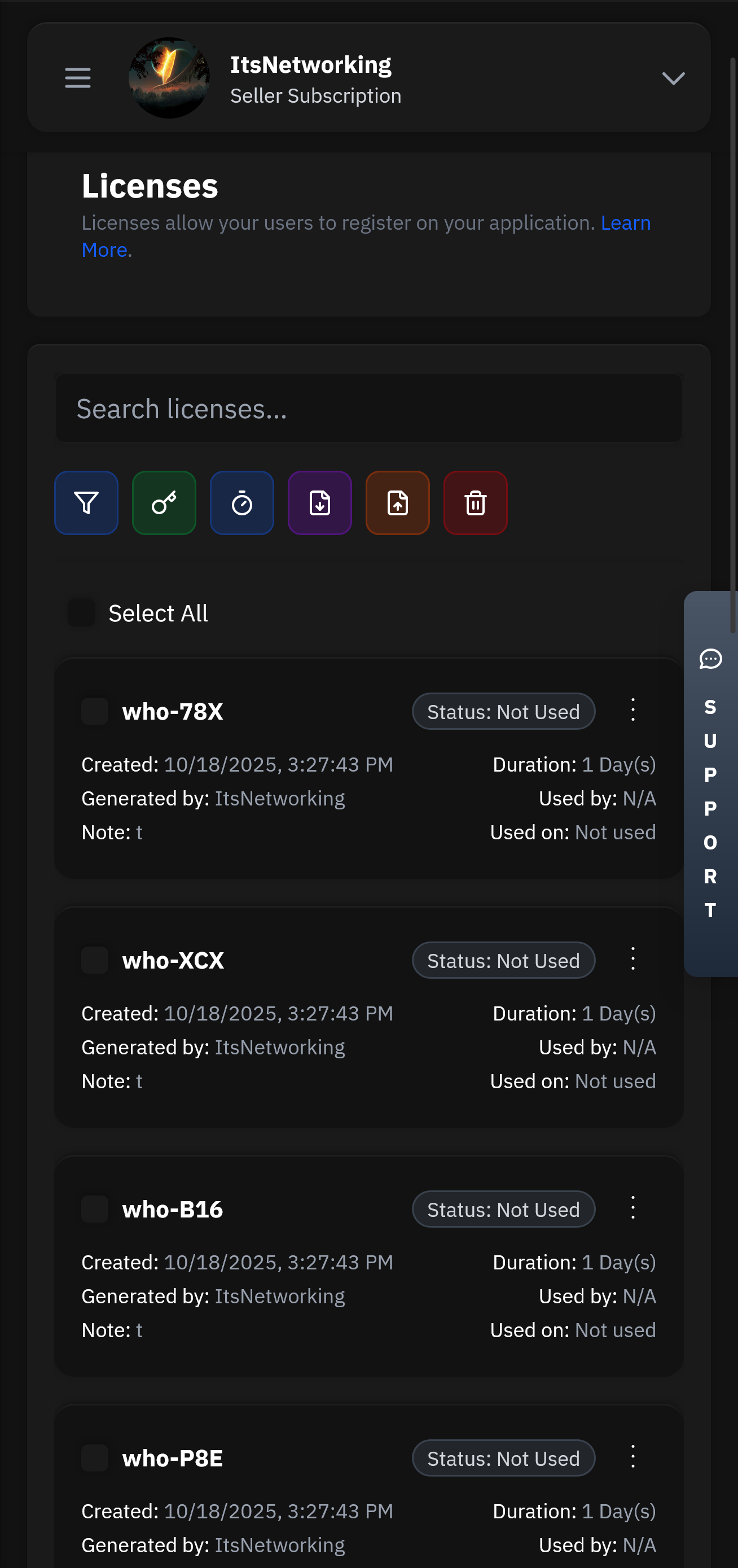
Create and manage user licenses with flexible expiration, trial, and subscription options.
Our lightning-fast infrastructure ensures your authentication requests are processed in under 50ms globally. With 99.99% uptime and redundant systems, your users will never experience delays.
Manage your applications remotely with our powerful Seller API. Update licenses, ban users, modify subscriptions, and monitor usage from anywhere in the world with full administrative control.
Built on a serverless architecture that automatically scales to handle millions of requests. Our global edge network ensures low latency and high availability across 300+ locations worldwide.
There's no question as to why we are the best choice for your business and one of the most used Authentication services.
Head over to our register page to create your account.
Applications will be the heart of your service. This is where all your users, licenses, chats and more will be stored.
Head over to our GitHub to find our examples and client API files. Simply follow the steps and have authentication up in less than 5 minutes.
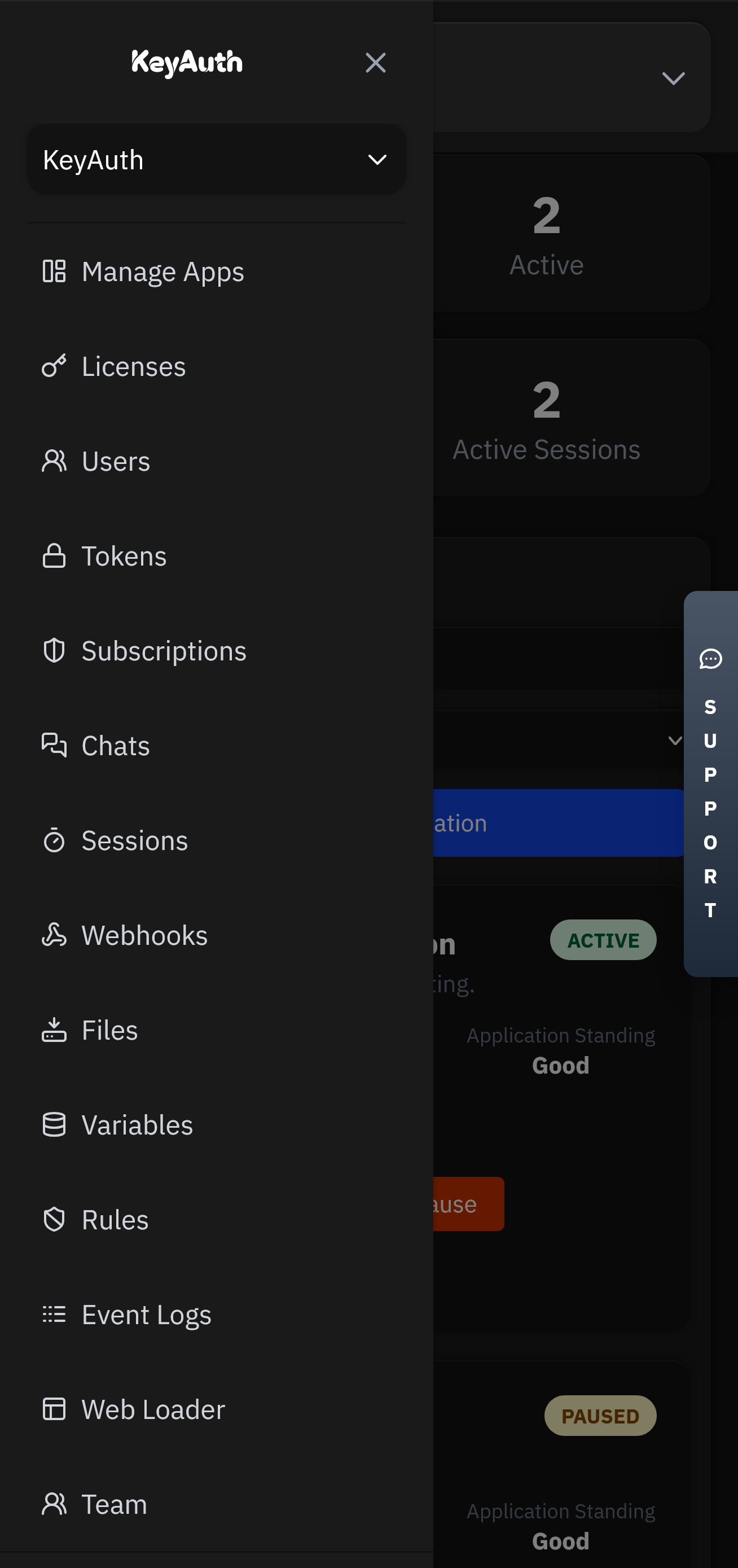
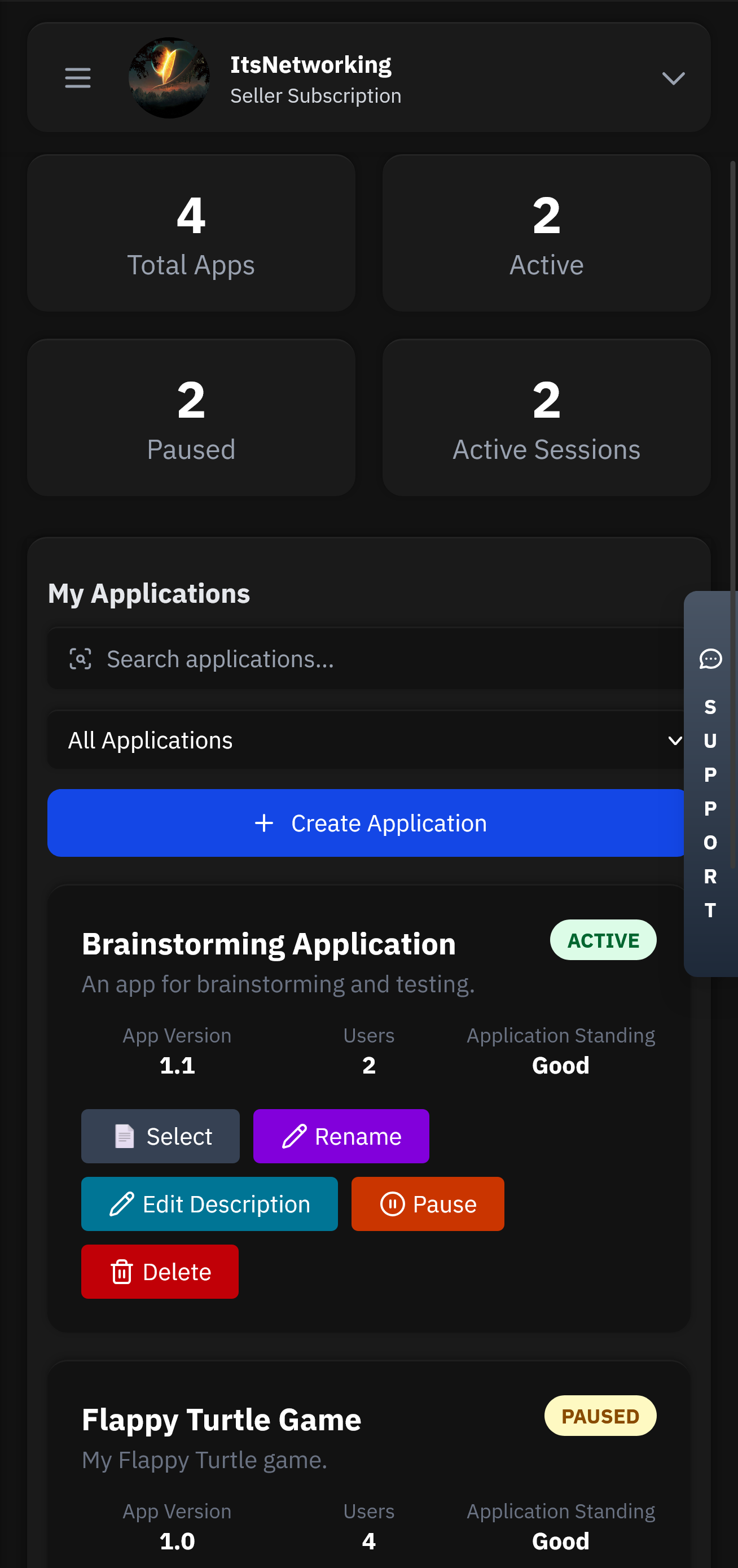
Control your application from anywhere using our mobile app. Manage licenses, chat with users, and view analytics directly from your phone or tablet.
Flexible options for teams of all sizes.
In the 1980s and 1990s, Malayalam cinema witnessed a significant shift with the emergence of New Wave cinema, which focused on realistic storytelling, complex characters, and socially relevant themes. Filmmakers like Adoor Gopalakrishnan, John Abraham, and I. V. Sasi created films that were critically acclaimed and commercially successful. Movies like "Swayamvaram" (1972), "Athidhi" (1974), and "Nayagan" (1987) showcased the struggles of everyday people, exploring themes like identity, community, and social justice.
In conclusion, Malayalam cinema is a vibrant reflection of Kerala's rich cultural heritage, showcasing the complexities of human relationships, social issues, and the experiences of Keralites. The evolution of Malayalam cinema over the years has been marked by a commitment to storytelling, social realism, and cultural authenticity, earning it a significant place in Indian cinema and global recognition.
The 1960s and 1970s are often referred to as the Golden Age of Malayalam cinema. This period saw the emergence of iconic filmmakers like Adoor Gopalakrishnan, K. S. Sethumadhavan, and P. A. Thomas, who created films that are still remembered and celebrated today. Movies like "Nokketha Doorathu Kannum Nattu" (1962), "Chemmeen" (1965), and "Adoor" (1967) showcased the complexities of human relationships, social issues, and the rich cultural heritage of Kerala.
Malayalam cinema, also known as Mollywood, has been a significant part of Indian cinema for decades, showcasing the rich cultural heritage of Kerala, a state in southwestern India. Over the years, Malayalam films have gained immense popularity not only in India but globally, thanks to their unique storytelling, strong characters, and authentic representation of Kerala's culture.


Got questions? We've got answers. If you can't find what you're looking for, feel free to reach out to our support team.