News paane ka desi andaaz

India's #1 Hyperlocal Short news app

Filedot Laurie Model Com -Webeweb- jpg Filedot Laurie Model Com -Webeweb- jpg
Filedot Laurie Model Com -Webeweb- jpg

One App - Eight languages.
Read news in your preferred language. Filedot Laurie Model Com -Webeweb- jpg

Filedot Laurie Model Com -Webeweb- jpg

One App - Eight Languages.
Read News In Your Preferred Language.

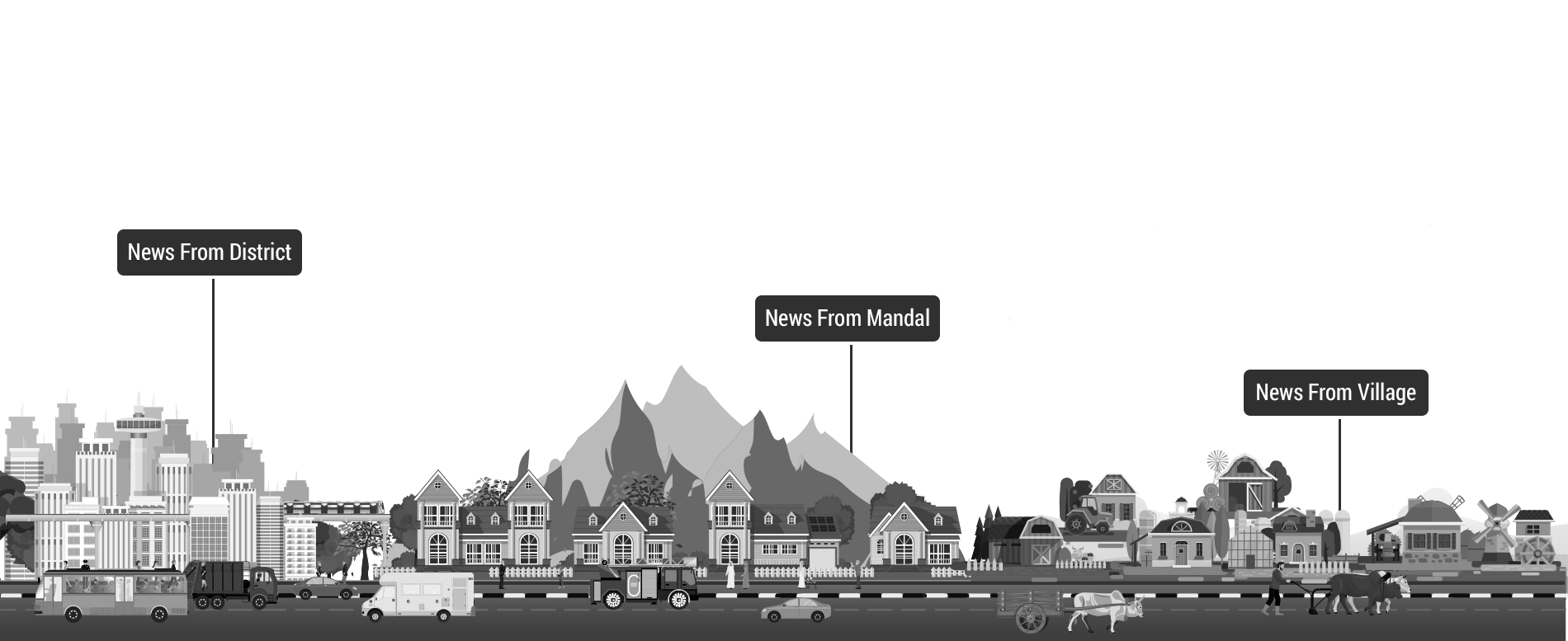
Way2News, India's largest hyperlocal news app covers news from 400 districts and generating more than 4 billion screen views every month - that's 3 times the entire Indian population. The file name in question appears to reference

Filedot Laurie Model Com -webeweb- Jpg (2027)

Mandal stories

Filedot Laurie Model Com -webeweb- Jpg (2027)

District stories

Filedot Laurie Model Com -webeweb- Jpg (2027)

Village stories

Filedot Laurie Model Com -webeweb- Jpg (2027)

Contributors

Stay up-to-date with news around the world,
in your favourite language.

Filedot Laurie Model Com -Webeweb- jpg Filedot Laurie Model Com -Webeweb- jpg Moreover, the commodification of images in the digital

Features
Filedot Laurie Model Com -Webeweb- jpg
News Sharing

Let your friends read the news you intend to share with them.

Filedot Laurie Model Com -Webeweb- jpg
Magazines

Travel, Health, Finance & many more- Pick Magazines of your favourite topic and lay back to read.

Filedot Laurie Model Com -Webeweb- jpg
Categories

Cinema, Business or sports, read the News from the category of your preference.

Filedot Laurie Model Com -Webeweb- jpg
Night Mode

Reading in dark? Then make it better for your eyes with 'Night Mode'


Filedot Laurie Model Com -Webeweb- jpg
Flip Experience

Read the News articles at ease by just flipping them up and down.

Filedot Laurie Model Com -Webeweb- jpg
Polls

Participate in Polls on different issues and contribute your opinion to country wide taken stats.

Filedot Laurie Model Com -Webeweb- jpg
Top Buzz

Read the most trendy and widely shared flips from 'Top Buzz'.

Filedot Laurie Model Com -Webeweb- jpg
Bookmark

Save the articles you want to revisit by adding them to 'My bookmarks'.

Read news you love the most.

Way2News brings real time news. We understand your reading preference and promise to deliver personalized news flips.

Available on
Filedot Laurie Model Com -Webeweb- jpg Filedot Laurie Model Com -Webeweb- jpg
Filedot Laurie Model Com -Webeweb- jpg

Blog

Filedot Laurie Model Com -webeweb- Jpg (2027)

The file name in question appears to reference a specific image, potentially of a model named Laurie, shared through a website or platform indicated by "Filedot" and made accessible via "Webeweb." This brief reference encapsulates the broader phenomenon of how images are treated as commodities in the digital marketplace. With the advent of the internet, images are no longer static objects confined to physical spaces like galleries or personal collections. Instead, they have become dynamic, digital assets that can be easily produced, reproduced, and distributed.

Moreover, the commodification of images in the digital age brings to the forefront issues related to intellectual property and digital rights management. The ease of creating and sharing digital content has necessitated the development of legal and technical mechanisms to protect creators' rights and ensure that they are fairly compensated for their work. However, these mechanisms are often challenged by the very nature of digital media, which facilitates easy copying and distribution.

Ultimately, the way we engage with digital images reflects broader societal attitudes towards ownership, privacy, and respect in the digital age. As technology continues to evolve and provide new ways to create, share, and interact with digital content, it is crucial that we address these issues thoughtfully and proactively. By doing so, we can work towards a digital future that respects the rights of creators and individuals alike, ensuring that the benefits of digital media are realized in a manner that is equitable and just.

The example of "Filedot Laurie Model Com -Webeweb- jpg" serves as a microcosm of the larger conversations about digital media, privacy, and the economy of attention in the digital age. As we navigate the complexities of digital image sharing, it becomes imperative to foster a culture of respect for digital rights, to develop and enforce laws that protect creators and subjects of images, and to educate users about the implications of their actions online.

In the digital age, the way we share, access, and perceive images has undergone a significant transformation. The rise of the internet and social media platforms has facilitated an environment where images can be easily uploaded, shared, and disseminated across the globe within seconds. This ease of sharing has led to the creation of vast digital libraries, where images, including those of a personal or artistic nature, can be accessed with minimal effort. A seemingly innocuous file name like "Filedot Laurie Model Com -Webeweb- jpg" brings to the forefront issues related to the commodification of images, privacy, and the digital rights of individuals in the age of file sharing.

The ease of sharing and accessing images online raises critical questions about consent, privacy, and the ownership of digital content. When an image is uploaded and shared online, it can quickly lose its context and control. The individual who owns the image or the subject of the image may find it disseminated in ways they did not anticipate or consent to. This situation highlights a significant challenge in the digital age: protecting the rights and privacy of individuals in a space where information, including images, can spread rapidly and uncontrollably.


Loved by more than 20 million Indians!

The file name in question appears to reference a specific image, potentially of a model named Laurie, shared through a website or platform indicated by "Filedot" and made accessible via "Webeweb." This brief reference encapsulates the broader phenomenon of how images are treated as commodities in the digital marketplace. With the advent of the internet, images are no longer static objects confined to physical spaces like galleries or personal collections. Instead, they have become dynamic, digital assets that can be easily produced, reproduced, and distributed.

Moreover, the commodification of images in the digital age brings to the forefront issues related to intellectual property and digital rights management. The ease of creating and sharing digital content has necessitated the development of legal and technical mechanisms to protect creators' rights and ensure that they are fairly compensated for their work. However, these mechanisms are often challenged by the very nature of digital media, which facilitates easy copying and distribution.

Ultimately, the way we engage with digital images reflects broader societal attitudes towards ownership, privacy, and respect in the digital age. As technology continues to evolve and provide new ways to create, share, and interact with digital content, it is crucial that we address these issues thoughtfully and proactively. By doing so, we can work towards a digital future that respects the rights of creators and individuals alike, ensuring that the benefits of digital media are realized in a manner that is equitable and just.

The example of "Filedot Laurie Model Com -Webeweb- jpg" serves as a microcosm of the larger conversations about digital media, privacy, and the economy of attention in the digital age. As we navigate the complexities of digital image sharing, it becomes imperative to foster a culture of respect for digital rights, to develop and enforce laws that protect creators and subjects of images, and to educate users about the implications of their actions online.

In the digital age, the way we share, access, and perceive images has undergone a significant transformation. The rise of the internet and social media platforms has facilitated an environment where images can be easily uploaded, shared, and disseminated across the globe within seconds. This ease of sharing has led to the creation of vast digital libraries, where images, including those of a personal or artistic nature, can be accessed with minimal effort. A seemingly innocuous file name like "Filedot Laurie Model Com -Webeweb- jpg" brings to the forefront issues related to the commodification of images, privacy, and the digital rights of individuals in the age of file sharing.

The ease of sharing and accessing images online raises critical questions about consent, privacy, and the ownership of digital content. When an image is uploaded and shared online, it can quickly lose its context and control. The individual who owns the image or the subject of the image may find it disseminated in ways they did not anticipate or consent to. This situation highlights a significant challenge in the digital age: protecting the rights and privacy of individuals in a space where information, including images, can spread rapidly and uncontrollably.
Download
Way2News App Now

India is gravitating to short news. Why not read news in your native language?

Available on

Filedot Laurie Model Com -Webeweb- jpg Filedot Laurie Model Com -Webeweb- jpg